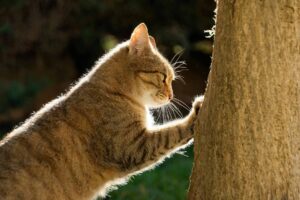

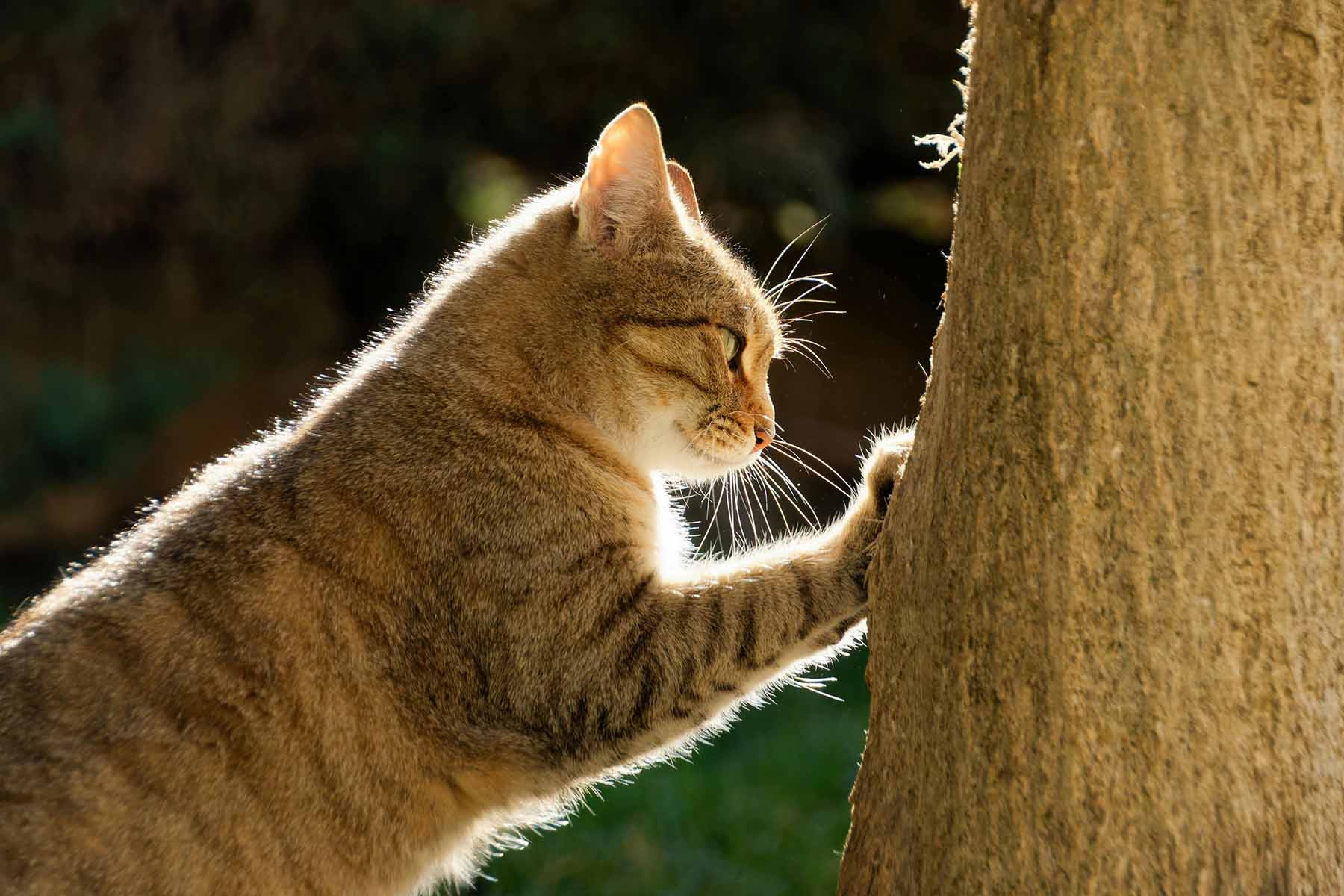
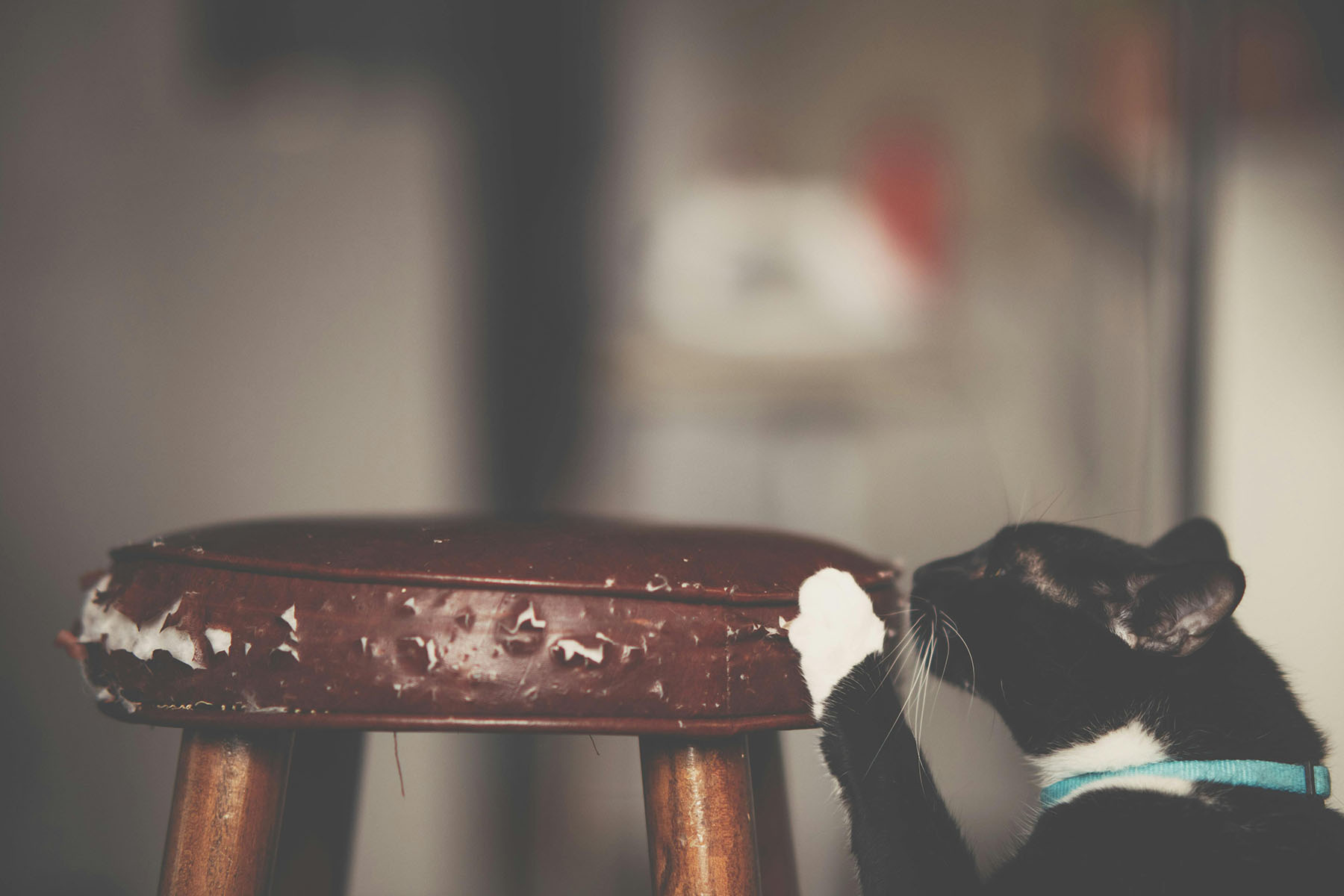
Scratching is a natural and essential behavior for cats. It helps maintain healthy claws, stretch muscles, and mark territory. When cats lack a proper scratching surface, furniture and carpets often become substitutes. Choosing the right cat scratching post supports your cat’s natural instincts while protecting your home.
This guide explains how to select the best cat scratching post based on your cat’s habits, size, and living space.
Scratching allows cats to remove dead claw layers and keep their nails in good condition. It also helps relieve stress and provides physical exercise. A well-placed scratching post gives cats an acceptable outlet for this behavior, reducing unwanted scratching on household items.
Providing a dedicated scratching post encourages positive habits and supports both physical and emotional wellbeing.
Different scratching post styles suit different cats. Vertical scratching posts allow cats to stretch fully and are ideal for larger or more active cats. Horizontal scratchers work well for cats that prefer scratching along the floor, while angled scratchers offer a mix of both positions.
Scratching posts also come as standalone designs or integrated into cat trees, offering additional climbing and resting areas.
A cat scratching post should be tall enough for your cat to stretch from nose to tail. Stability is equally important. Posts that wobble or tip over may discourage use. A solid base and sturdy construction help ensure safety and long-term use, especially for energetic cats.
Larger cats often require taller and heavier posts for adequate support.
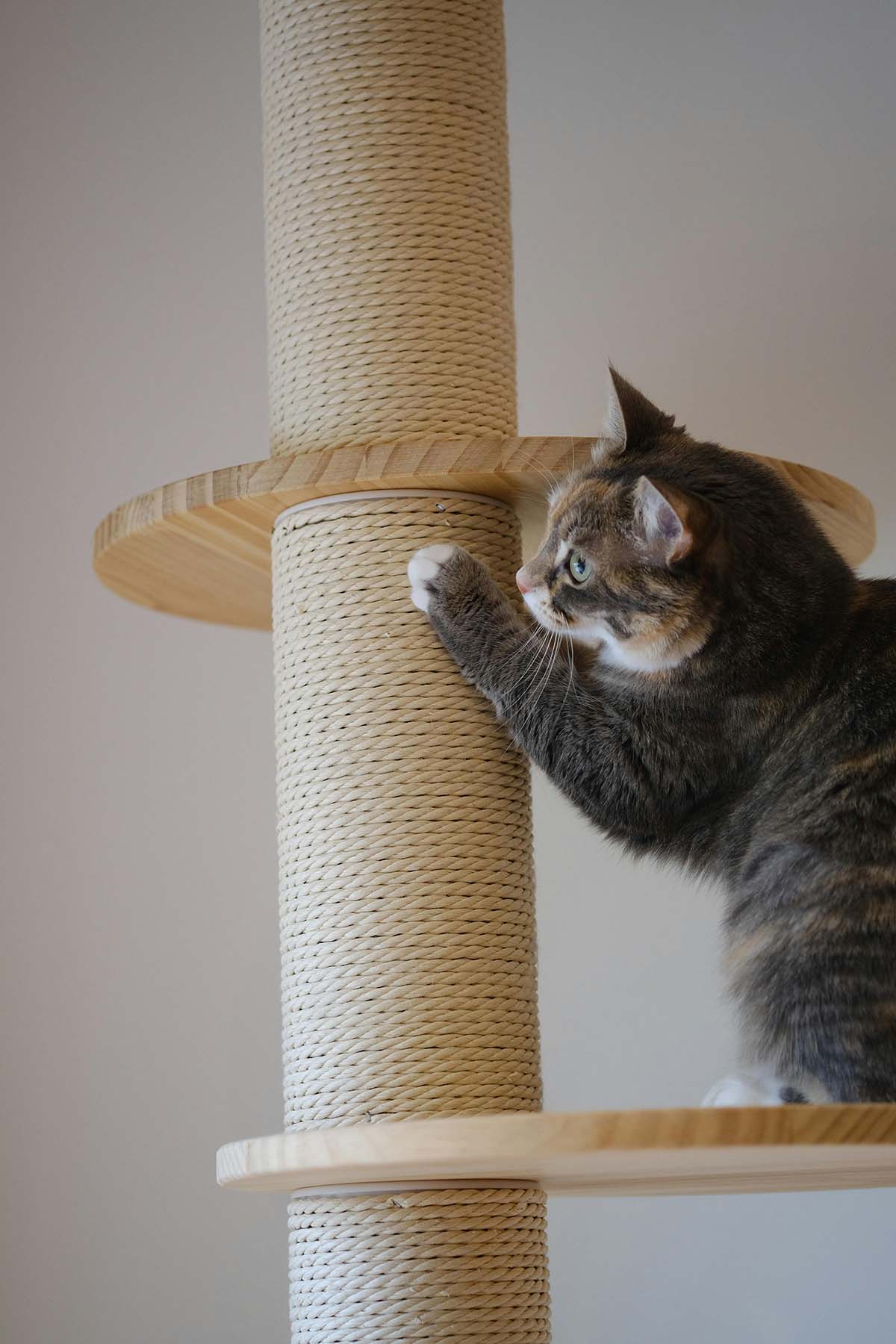
Material plays a key role in durability and satisfaction. Sisal rope or fabric is one of the most popular materials because it is tough and appealing to cats. Cardboard scratchers are lightweight and affordable, while carpet-covered posts may suit cats already accustomed to scratching carpets.
Choosing a durable material ensures the scratching post lasts longer and remains attractive to your cat.
Location influences whether your cat uses the scratching post consistently. Placing the post near sleeping areas or frequently used furniture increases the likelihood of regular use. Cats often stretch and scratch after waking, making these locations ideal.
Avoid hiding scratching posts in low-traffic areas, as cats prefer visible and accessible spots.
Living space affects the type of scratching post that works best. Small apartments may benefit from compact or wall-mounted scratchers, while larger homes can accommodate tall posts or multi-level cat trees. Active cats often enjoy scratchers that combine climbing and play features.
Matching the scratching post to your home layout helps maintain a clutter-free environment while meeting your cat’s needs.
Scratching posts experience regular wear. Inspect them periodically for loose fibers or instability. Replacing worn scratchers keeps cats engaged and prevents them from returning to furniture. Some posts feature replaceable scratching surfaces, extending their usability.
Choosing the right cat scratching post helps protect furniture while supporting natural feline behavior. By considering size, material, stability, and placement, cat owners can select scratching posts that encourage healthy habits and long-term use.
A well-chosen scratching post creates a balanced environment where cats can scratch, stretch, and relax comfortably.