
Keeping a cat litter box clean is essential for your cat’s health, comfort, and behavior. Many cat owners wonder how frequently cat litter needs to be replaced and how this routine affects odor control and hygiene. The answer depends on several factors, including the type of litter used, the number of cats in your home, and the litter box design.
This guide explains how often to replace cat litter, best cleaning practices, and how the right cat litter box can make maintenance easier.
Why Regular Cat Litter Replacement Matters
Cats are naturally clean animals. A poorly maintained litter box may cause stress, litter box avoidance, or health concerns. Regular litter replacement helps:
Control unpleasant odors
Prevent bacterial growth
Keep your cat comfortable using the litter box
Extend the lifespan of your litter box
Maintain a clean indoor environment
Clean litter also supports your cat’s urinary health and reduces tracking around your home.
How Often Should You Replace Cat Litter?
Clumping Cat Litter
Non-Clumping Cat Litter
Natural or Biodegradable Litter
Plant-based or eco-friendly litter types vary in absorbency.
How Often Should You Clean the Cat Litter Box?
Even with fresh litter, the litter box itself requires regular cleaning.
Deep cleaning prevents lingering odors that cats can detect even when humans cannot.
Factors That Affect Litter Replacement Frequency
Several conditions influence how often cat litter needs replacing:
Signs Your Cat Litter Needs to Be Replaced
Watch for these indicators:
These signs suggest a full litter replacement is overdue.
Choosing the Right Cat Litter Box for Easy Maintenance
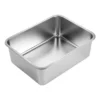
A well-designed cat litter box supports cleanliness and comfort. When selecting a litter box, look for:
Tips to Keep Your Cat Litter Box Fresh Longer
Final Thoughts
Replacing cat litter regularly plays a key role in your cat’s health and happiness. While the exact schedule depends on the litter type and household setup, daily scooping and timely full replacements create a cleaner, more pleasant environment.
Pairing proper litter care with a high-quality cat litter box helps maintain hygiene, control odors, and encourage healthy litter box habits. For reliable and easy-to-clean cat litter box solutions, explore the thoughtfully designed products available at paws-mart.net.